
What an Owner Needs to Know Before Selling
Before putting a property on the market in London, an owner needs to be clear on four things: what the property is realistically worth right now, how long a sale is likely to take in this area, which costs will reduce the net proceeds, and how to manage the process from abroad.
Selling is not the reverse of buying. The process has its own rules, its own timelines and its own variables — and if these are not understood from the outset, the result is often a lower price, a longer timeline and a negotiation conducted on unfavourable terms.
This page addresses each of these points directly.
Pricing: Asking, Realistic and Achievable
The starting point of any sale is setting the price. And the point at which most owners make their first mistake is confusing three different numbers.
The asking price
This is the price at which the property is listed on the market. In many cases, the owner sets it based on what they paid, on sentimental value or on a rough estimate.
An asking price that is too high fails to attract serious buyers. An asking price that is too low burns negotiating margin and can raise doubts about the quality of the property.
The realistic price
This is the price at which a comparable property has actually sold in the same area, in recent months. Not the price at which it was listed — the price at which it completed.
This distinction is fundamental: property portals show asking prices, not achieved prices. Only a professional with access to transaction data and direct knowledge of the area can provide a realistic valuation.
The achievable price
This is the price that can actually be reached with that specific property, at that moment, with the right positioning and negotiation strategy.
It depends on how the property is presented, the quality of the marketing, the timing of the launch and the ability to manage offers competitively.
The difference between the realistic price and the achievable price is not theoretical. A well-positioned, well-presented property launched at the right moment can achieve a significantly different result from the same property handled without strategy.
What Affects Time to Sell and the Quality of Offers
An owner selling in London wants two things: to sell at the right price and to sell within a reasonable timeframe. The two are connected — and they depend on variables that many owners underestimate.
How the property is presented
The London market is visual and competitive. Buyers — particularly in the mid and upper price brackets — compare dozens of properties online before visiting even one.
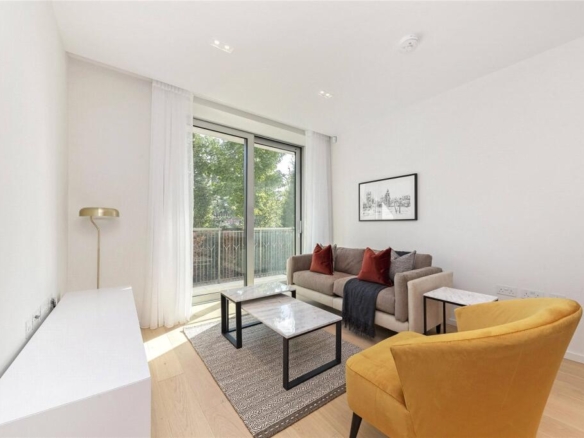
The quality of the photographs, the care taken with staging and the clarity of the floor plan have a direct impact on the number of viewing requests. A poorly presented property does not attract the right buyers. And a property that fails to generate viewings in the first weeks loses commercial momentum and becomes harder to sell at the right price.
Launch strategy
When the property goes to market matters. The London market has seasonal cycles — periods when demand is more active and periods when it slows.
Launching at the wrong time can mean weeks of exposure without serious offers. Equally important is the choice of channels: which portals to list on, which segment of buyers to target, and how to position the property relative to the competition in the same area.
Managing the negotiation
In the UK market, offers typically come in below the asking price. This is normal and is not necessarily a negative signal — it is the starting point of a negotiation.
The difference is made by the ability to manage that negotiation: assessing the buyer’s financial position, understanding their place in the chain, negotiating not just on price but also on timing and conditions, and knowing when to accept and when to wait for a better offer.
An owner who manages this phase alone — particularly from abroad — is often at a disadvantage compared to buyers assisted by local professionals.
The Most Common Mistakes When a Sale Goes Wrong
Not every sale that disappoints is caused by the market. In our experience, most poor outcomes stem from avoidable mistakes:
- An initial asking price set too high, which drives away serious buyers during the first weeks — the most critical period for the property’s visibility
- Neglected presentation: amateur photography, an unprepared property, a generic description that fails to highlight the real strengths
- No positioning strategy: the property is simply “put online” without a plan for how to differentiate it from the competition in the same area
- Passive negotiation: the owner accepts the first offer out of fear of losing the buyer, or rejects it on principle without assessing the strength of the bidder
- Remote management without a local point of contact, leading to delays in responding to enquiries, poorly coordinated viewings and fragmented communication with the professionals involved
None of these problems is inevitable. But resolving them requires presence, market experience and a clear method.
Selling from Abroad: The Challenge for Non-Resident Owners
For an owner who does not live in London, the sale presents practical complications that go beyond commercial strategy.
Viewings need to be coordinated efficiently, even when the owner cannot be present. The solicitor needs to be instructed and monitored carefully, because the UK legal process has steps and timelines that require responsiveness. The relationship with the estate agent — who in the UK system works for the seller but does not always protect the seller’s interests with equal diligence — needs to be supervised closely.
On top of all this are the tax implications: the sale of a UK property by a non-resident can trigger Capital Gains Tax obligations, with specific rules on calculation, reporting deadlines and possible exemptions. It is essential to consult a specialist tax adviser before proceeding, not after.
An owner selling from abroad without an operational point of contact in London risks losing control of the process — and with it, part of the value of the transaction.
Our Role in the Sale
Real Estate Xchange works with a limited number of owners at any one time. Our approach to selling is the same as our approach to buying: analysis, method and representation of the client’s interest.
In practice, this means:
- Valuation based on real transaction data for the area, not on automated estimates or inflated figures designed to win the instruction
- Positioning strategy: price, launch timing, channels, target buyer profile
- Coordination of presentation: professional photography, staging where appropriate, floor plan, marketing materials
- Management of viewings and negotiation, with a direct point of contact available to the owner
- Coordination with the solicitor and tax adviser for the legal and fiscal management of the sale
- Transparent reporting to the owner at every stage of the process
For owners considering a sale, our service is built to protect the financial outcome and reduce the operational complexity.
If you are not yet ready to sell and want to explore your options for managing the property in the meantime, see our property management service.
Frequently Asked Questions
How much does it cost to sell a property in London?
The main costs are the estate agent’s commission (which varies by agency type and service level, plus VAT), the solicitor’s fees for managing the legal side of the transaction, and — for non-residents — any Capital Gains Tax on the gain realised. Additional items include the Energy Performance Certificate, which is required before marketing. The total cost depends on the sale price and the owner’s tax position, and should be calculated before setting expectations on the net proceeds.
How long does it take to sell a property in London?
It depends on the area, the price bracket and the quality of the positioning. A well-priced, well-presented property in an area with active demand can receive offers within a few weeks of launch. The full process — from accepting an offer to legal completion — typically takes a further six to ten weeks.
Do I need to be in London to sell my property?
No, but it is essential to have a trusted professional managing the process on the ground: coordinating viewings, liaising with the estate agent, overseeing the negotiation and communicating with the solicitor. Selling remotely without an operational point of contact in London exposes you to delays, suboptimal decisions and loss of control over the negotiation.
How is the right price for my property determined?
The starting point is recent transaction data for comparable properties in the same area — not the prices listed on portals, which are asking prices, not achieved prices. From there, the specifics of the property are assessed: floor, aspect, condition, remaining lease term, service charge, and any other factor that distinguishes it from the comparables. A credible valuation requires direct knowledge of the area and access to real data.
Can I sell if my property is currently tenanted?
Yes. A property can be sold with a tenant in place, but this affects the type of buyer likely to be interested and potentially the price. An investor may view an occupied property with a good tenant positively; a buyer who wants to live in the property may not be interested or may require a discount. The sales strategy should be adapted to the specific tenancy situation.
Considering a Sale?
If you own property in London and are considering a sale — even if you have not yet decided — we can help you understand the starting point: what the property is realistically worth today, how long a sale is likely to take in your area, which costs will reduce the net proceeds, and whether it makes more sense to sell now or to wait.
An initial conversation commits you to nothing. It is there to put the numbers on the table and to help you decide with the right information.
London office: +44 20 3807 4884 | Milan office: +39 02 4032 6414
info@realestatexchange.co.uk
If you are looking to buy property in London rather than sell, see our guide to buying property in London.